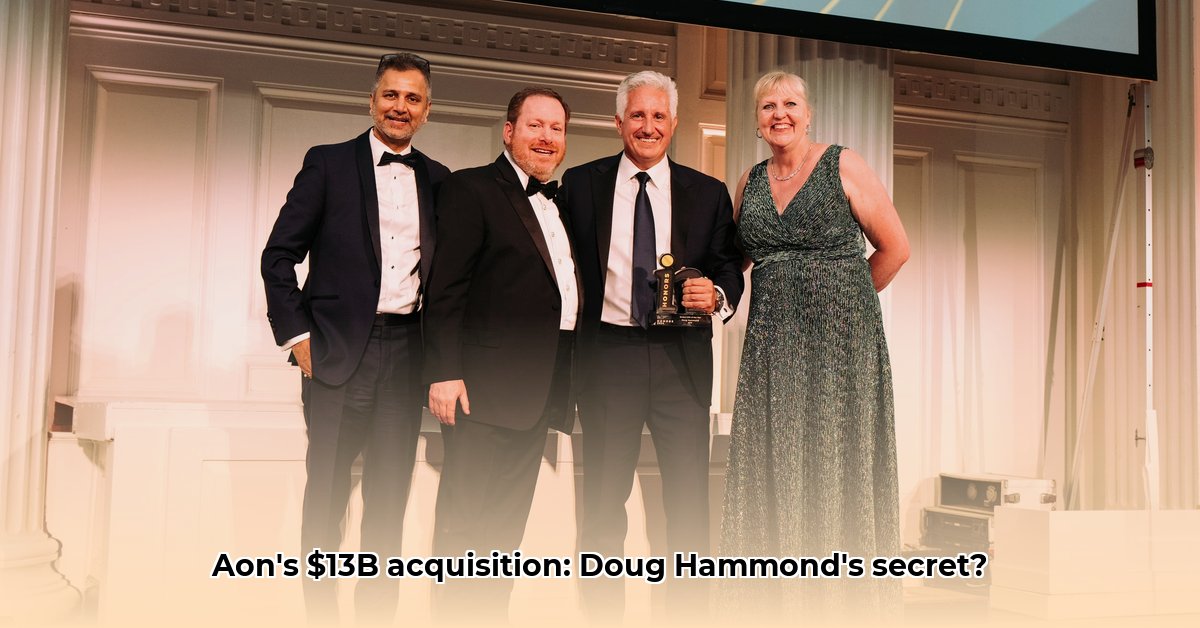
The Unpacking of a $13 Billion Deal: NFP's Success Under Doug Hammond
Aon’s acquisition of NFP for $13 billion sent shockwaves through the insurance industry, sparking widespread curiosity about the financial windfall for NFP's CEO, Doug Hammond. However, the true narrative extends far beyond a simple net worth calculation. It’s a compelling story of strategic growth, meticulous acquisitions, and a unique company culture that transformed NFP into a highly coveted asset. This article delves into the key decisions that propelled NFP's success, analyzing the strategic vision that made it a $13 billion company and considering the long-term implications for Aon and the insurance brokerage market. For more on similar success stories, check out Doug's Net Worth.
How did Doug Hammond orchestrate this remarkable growth? The answer lies not solely in financial acumen, but also in a potent blend of strategic acquisitions, a people-centric approach, and a shrewd diversification strategy.
Strategic Acquisitions: Building a Billion-Dollar Empire Brick by Brick
NFP's exponential growth wasn't serendipitous; it was the result of a meticulously planned acquisition strategy. Hammond didn't merely acquire companies; he strategically selected firms that complemented NFP's existing services and expanded its reach. This wasn't simply about acquiring assets; it was about creating synergistic relationships, like interlocking pieces in a complex, high-value puzzle. A key example is the 2013 go-private transaction, a significant $1.4 billion move that acted as a catapult, launching NFP into a phase of even more ambitious acquisitions. This illustrates Hammond's keen eye for opportunity and his ability to navigate the complexities of the insurance industry. Each acquisition, carefully chosen, added a unique piece to the puzzle: new specializations, expanded geographic markets, and specialized client bases.
A People-First Culture: The Human Element of Success
While financial success is paramount, Hammond prioritized a critical, often overlooked element: people. He cultivated a workplace culture that valued, respected, and empowered employees. This wasn't simply corporate rhetoric; it was a genuine commitment that permeated the organization. This focus on employee well-being played a crucial role in NFP's overall success. As Dr. Linda Hill, Professor of Business Administration at Harvard Business School, notes, "High levels of employee engagement are strongly correlated with improved financial performance." This "people-first" culture likely contributed significantly to NFP's overall valuation, underscoring the tangible benefits of a positive work environment.
How significant was the impact of this people-first culture on NFP's financial performance? While quantifying the precise impact is challenging, it's clear that creating a highly engaged workforce positively correlated with increased efficiency, productivity, and stronger client relationships.
Diversification: A Strategic Hedge Against Market Volatility
Hammond’s foresight extended beyond traditional insurance brokerage. He recognized the vulnerability of focusing on a single market sector and strategically diversified NFP into related areas such as benefits consulting, wealth management, and retirement planning. This shrewd move created resilience, protecting NFP from the inherent risks associated with sector-specific downturns. This diversification undoubtedly enhanced NFP's overall value, making it a highly attractive acquisition target. It's a prime example of how carefully planned diversification can substantially enhance a company’s long-term prospects.
Isn't diversification a key factor in mitigating risk and enhancing long-term stability in today's volatile business environment? Absolutely. Diversification's importance is hard to overstate in providing a buffer against economic fluctuations and market downturns.
Aon's Acquisition: A New Chapter, New Challenges
The $13 billion Aon acquisition marked NFP’s culmination, yet simultaneously ushered in a new set of challenges. The success of this integration hinges on several key factors: seamless integration of operations, retention of NFP's highly skilled workforce, and leveraging NFP's strengths to strengthen Aon's competitive posture. Maintaining NFP's unique culture and entrepreneurial spirit is crucial for a successful transition. The long-term impact of this acquisition on the insurance industry remains to be seen, yet NFP's impressive legacy is solidified.
Doug Hammond's Net Worth: A Private Matter, A Public Lesson
While the precise details of Doug Hammond's net worth following the Aon acquisition remain private, the larger narrative of NFP’s success and the strategic decisions that led to its acquisition provides profoundly valuable insights.
Navigating the Future: Key Considerations for Post-Acquisition Success
The long-term success of the acquisition rests on several critical factors:
- Seamless Integration: Efficient integration of NFP's operations and workforce is paramount.
- Talent Retention: Retaining NFP's core talent and expertise is critical for maintaining the company’s unique strengths and culture.
- Competitive Advantage: Aon must effectively leverage NFP’s capabilities to enhance its competitive edge in the insurance brokerage market.
The Aon acquisition of NFP represents a significant turning point for both companies and the broader insurance industry. While the financial details are certainly intriguing, the ultimate value of this story lies in the strategic lessons learned from NFP's remarkable journey under Doug Hammond's leadership.